
Lottery: The Allure, History, and Human Stories Behind the Gamble for Dreams
Introduction: The Seductive Spell of the Lottery
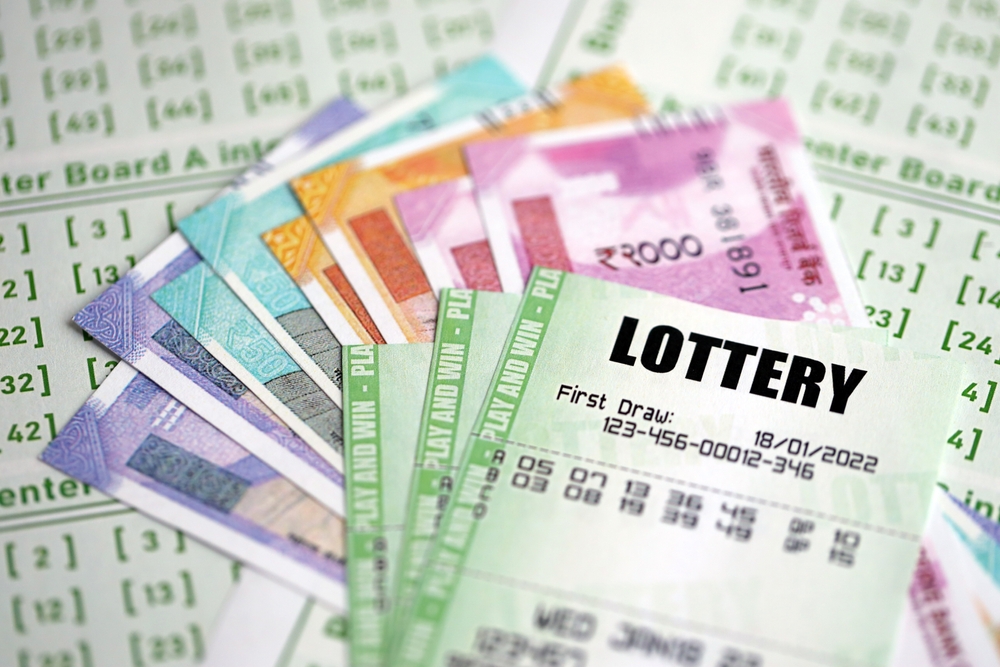
Few things ignite the human imagination quite like a lottery ticket. A small slip of paper clutched in one’s hand can evoke dreams of freedom, indulgence, and transformation overnight. The lottery—at once simple and profound—promises the tantalizing possibility that fortune might smile unexpectedly, changing an ordinary life into a tale told for decades. But what lies beneath the glitter of jackpots and giant cheques? To understand the true nature of the lottery, one must look deeper, beyond the numbers, into history, psychology, and the powerful stories that swirl around this enduring gamble.
A Journey Through Time: The Origins of Lotteries
Though modern jackpots make headlines with staggering figures, the concept of the lottery is hardly new. Some historians trace its origins back to ancient China, where keno-like games are believed to have helped fund the construction of the Great Wall. The word “lottery” itself stems from the Dutch lot, meaning “fate” or “destiny,” a fitting etymology for a game that relies so completely on chance.
In Europe, lotteries blossomed during the Renaissance. Towns used them to raise money for fortifications, schools, and civic projects. By the 16th century, Queen Elizabeth I organized England’s first national lottery, promising prizes of money, silver plate, and tapestries. The appeal was immediate and lasting—citizens willingly parted with coins for the slim hope of a windfall and the sense of participation in civic advancement.
Across centuries and continents, lotteries have evolved yet retained their core essence: the promise of a dramatic change wrought by the fickle hand of fortune.
How the Modern Lottery Works
Today’s state-run lotteries are sophisticated operations that blend tradition with technology. The basic premise remains: players purchase tickets, select numbers, and await a random draw. If their numbers align with the draw, they win.
While mechanics vary—some lotteries draw balls from tumblers, others use computer-generated numbers—the principles of fairness and randomness are tightly safeguarded. Governments heavily regulate lotteries, both to protect participants and to ensure that proceeds benefit public causes.
Common types of lotteries include:
-
Number Draw Lotteries: The classic pick-six or pick-seven draws, where matching a full set yields the jackpot.
-
Instant Win Scratch Cards: Tickets that reveal prizes instantly, appealing to those who crave immediate gratification.
-
Raffles and Sweepstakes: Drawings where every ticket has a unique number and an equal shot at prizes.
-
Mega Jackpots: Multi-state or national lotteries pooling players for astronomical top prizes, like Powerball or EuroMillions.
The Psychology: Hope, Risk, and the Dream Factor
The true currency of the lottery is not merely money, but hope. Psychologists and economists have long studied why so many people are drawn to games where the odds are astronomically stacked against them.
For most players, it isn’t rational calculation that compels them to buy a ticket. It’s the brief but potent fantasy: the delicious “what if.” In a world of bills and responsibilities, a lottery ticket offers a momentary escape, a chance to dream without limits. Even the act of imagining what one might do—pay off debts, travel the world, help family—provides emotional rewards that many feel justify the small cost of a ticket.
Psychological drivers include:
-
Optimism Bias: The tendency to believe we are luckier than statistics suggest.
-
The Cost of Hope: A few dollars buys not just a chance, but the right to dream for days.
-
Near Miss Effect: When players come close to winning, it fuels the desire to try again.
The Winners: Stories of Windfalls and Woes
For some, the lottery’s promise does come true—spectacularly. Stories abound of ordinary people who woke up to find themselves millionaires. Some handle the windfall with wisdom, investing carefully, giving to charity, and securing their family’s future for generations.
Yet the annals of lottery history are equally filled with cautionary tales. Sudden wealth, unmoored from preparation, can ruin as easily as it can rescue. Lavish spending sprees, opportunistic relatives, and poor financial management have left some winners worse off than before.
One often-cited study found that a significant percentage of big winners eventually declare bankruptcy. Their stories serve as reminders that wealth alone cannot fix every problem—and that overnight riches can carry burdens as well as blessings.
The Public Good: Lotteries as Funding Tools
Despite debates about the fairness of gambling, lotteries persist partly because they funnel billions into public projects. Education, infrastructure, healthcare, and community programs often benefit directly from ticket sales. In many regions, this revenue fills crucial funding gaps without raising taxes.
For example:
-
U.S. State Lotteries: Many states earmark proceeds for scholarships, public schools, and veteran services.
-
UK National Lottery: Funds arts, heritage sites, and Olympic athletes.
-
European Lotteries: Often support sports, cultural initiatives, and community development.
When run transparently, the lottery can be a powerful engine for public good, turning individual hope into collective benefit.
Controversies and Criticisms
Despite its virtues, the lottery is not without detractors. Critics argue that it disproportionately targets low-income communities, who may spend significant portions of their income chasing a statistically unlikely dream. Others warn that advertising often glamorizes the jackpot while downplaying the astronomical odds.
Some advocate for better education around gambling, stronger safeguards against addiction, and clearer disclosures about the real chances of winning. The debate continues, challenging society to balance individual freedom with responsible oversight.
A Ritual That Endures
For all its complexities, the lottery remains a ritual that connects people across cultures and generations. Offices buzz with chatter when jackpots soar. Families pool their numbers in syndicates. Strangers in line at convenience stores swap stories about what they’d do if they won.
In this way, the lottery is as much about community and shared hope as it is about individual fortune. It is a game we play against impossible odds, yet in doing so, we momentarily bend those odds with the sheer force of imagination.
Conclusion: More Than Just a Ticket
To dismiss the lottery as mere gambling is to overlook its richer layers. It is a glimpse into our collective fascination with luck, risk, and possibility. It is a cultural mirror reflecting our desires, our optimism, and our timeless belief that maybe—just maybe—tomorrow could be different.
In the end, each ticket holds a paradox: the odds say it’s nothing but paper, yet it can carry the weight of a thousand dreams. And in a world that can feel relentlessly practical, perhaps that small, flickering hope is worth the price of a chance.
Lottery Regulations Around the World Compared
May 10, 2026
Comments are closed.
-
Online Baccarat: A Faster and Easier Way to Play
January 21, 2022 -

Wish to Play Online Poker Free Of Charge? Have a Trial
February 6, 2018 -
Gaza88: Beyond the Headlines
April 29, 2024
Latest Posts
-

-
Common Mid-Stakes Poker Leaks and Their Impact
July 22, 2026 -
The Psychology Behind Winning Poker Decisions
June 18, 2026 -

How Online Casinos Create Immersive Gaming Experiences
June 11, 2026 -
Lottery Regulations Around the World Compared
May 10, 2026
Recent Posts
- How to size crypto stakes as a percentage of bankroll rather than a coin amount? September 17, 2026
- Common Mid-Stakes Poker Leaks and Their Impact July 22, 2026
- The Psychology Behind Winning Poker Decisions June 18, 2026
- How Online Casinos Create Immersive Gaming Experiences June 11, 2026
- Lottery Regulations Around the World Compared May 10, 2026