Poker: The Timeless Game of Strategy, Skill, and the Human Psyche
Introduction: More Than Just a Card Game
Poker is not merely a card game played on green felt tables under warm casino lights—it is a cultural phenomenon, an intellectual battlefield, and a study of the human condition disguised as entertainment. Unlike games of pure chance, Poker sits at the delicate intersection of probability, psychology, and calculated risk, rewarding those who master the art of reading both cards and people. From smoky backrooms and riverboats of the Old West to dazzling Las Vegas tournaments and bustling online platforms, Poker’s enduring magnetism lies in its unique ability to combine chance with skill in a way that keeps players returning to the table hand after hand, decade after decade.
A Storied Past: The Origins of Poker
The exact birthplace of Poker is a subject of spirited debate among historians, but most agree its roots reach back to the early 19th century in the United States. Some scholars trace its lineage to the Persian game As Nas or the French game Poque, which itself descended from the German Pochen, meaning “to bluff.”
Poker spread rapidly along the Mississippi River aboard riverboats, where traders and travelers alike waged their fortunes in tense games that could turn friends into rivals. By the mid-1800s, Poker had become a fixture of American gambling halls and frontier saloons. Its appeal lay in its mix of deception, courage, and cunning—a quintessential reflection of the bold, risk-taking spirit of early America.
The Many Faces of Poker
One of Poker’s enduring strengths is its adaptability. Over time, it has branched into dozens of variations, each with its own devoted following and subtle twists on the same essential mechanics.
Some of the most popular variants include:
-
Texas Hold’em: The world’s most played Poker variant, known for its community cards and dramatic showdowns.
-
Omaha: Similar to Hold’em but with four hole cards and more complex hand combinations.
-
Seven Card Stud: Once the dominant form in America before Hold’em’s rise, it requires no community cards and demands keen memory.
-
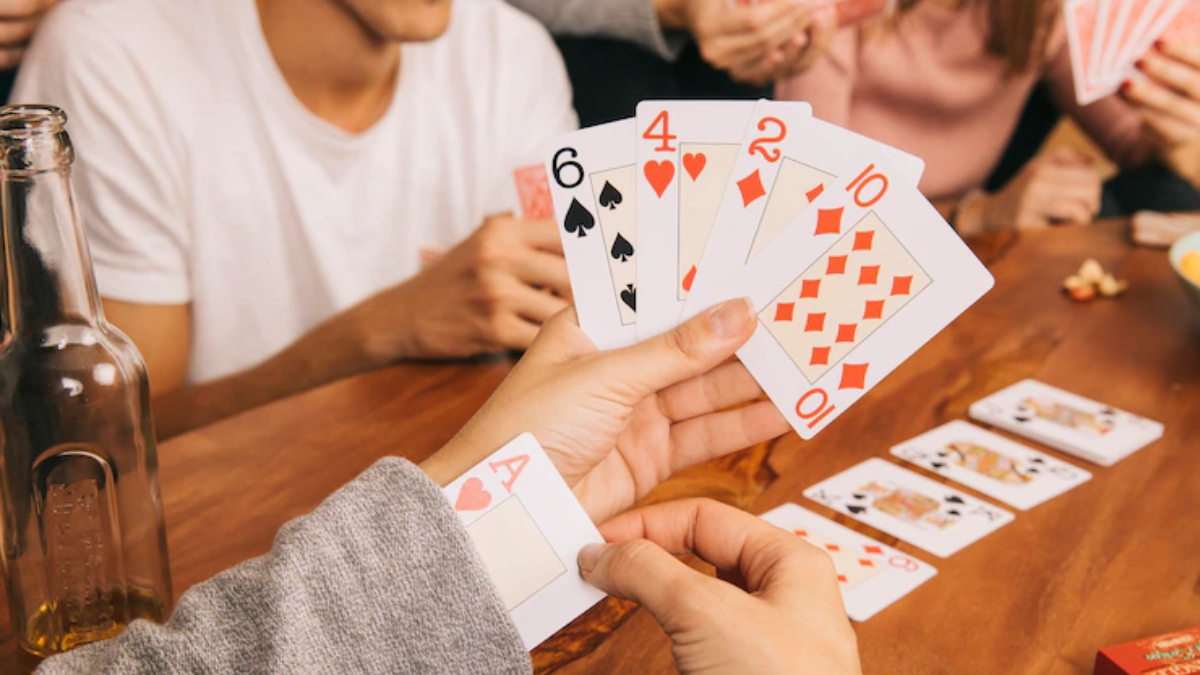
Five Card Draw: The classic version found in home games and Hollywood films—simple to learn but deeply satisfying.
Each version tests different aspects of a player’s skill set, from probability calculations to psychological warfare, keeping the game perpetually fresh.
The Skill Element: What Separates Poker From Pure Gambling
Unlike slots or roulette, Poker is not purely a game of chance. While the dealt cards are random, what players do with them makes all the difference. This critical distinction is why skilled Poker players can consistently win over time, even when luck temporarily deserts them.
Key skills that define great Poker play include:
-
Probability and Odds Calculation: Understanding the likelihood of drawing certain hands or outplaying opponents with semi-bluffs.
-
Psychological Insight: Reading subtle physical cues—known as “tells”—or deciphering betting patterns to gauge strength or weakness.
-
Bluffing: The heart of Poker. Masterful bluffing is less about deception and more about storytelling, convincing others you hold a hand you do not.
-
Patience and Discipline: Knowing when to fold a strong-looking hand, wait for better odds, or walk away altogether.
-
Bankroll Management: Treating Poker like an investment, with clear limits and rational risk-taking.
Poker’s Cultural Influence
Poker’s grip on the cultural imagination cannot be overstated. It has been immortalized in countless books, songs, and films—from Rounders to Casino Royale. Phrases like “ace up your sleeve” and “poker face” have seeped into everyday language, proof of the game’s symbolic weight in our collective consciousness.
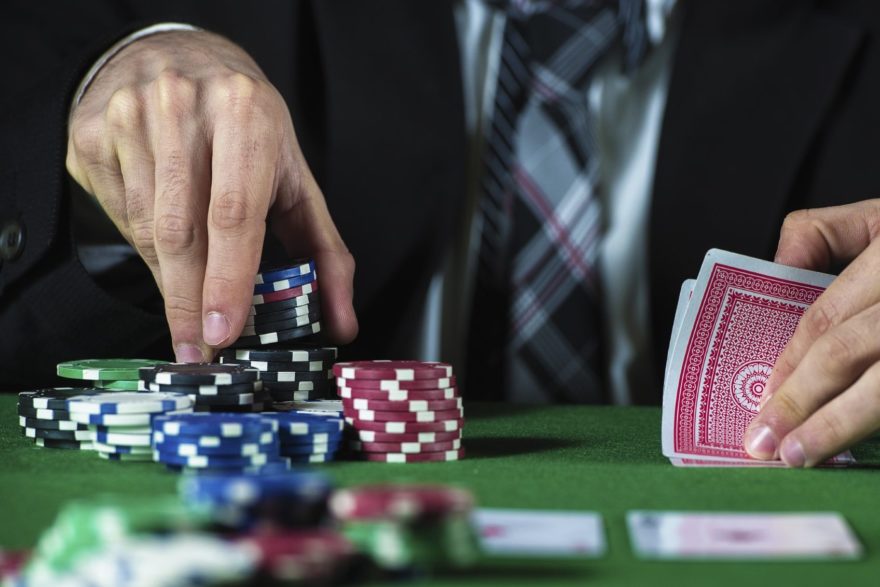
The image of the stoic card player, chips neatly stacked, eyes masked behind sunglasses, embodies the allure of controlled risk and concealed emotion—traits that resonate far beyond the card table.
The World Stage: From Smoky Rooms to Televised Spectacle
While Poker was once a pastime of saloons and private games, the late 20th century ushered in a dramatic transformation. The World Series of Poker (WSOP), launched in 1970, turned high-stakes Poker into a global spectator sport. The “Moneymaker Effect,” named after amateur player Chris Moneymaker’s improbable 2003 WSOP win, inspired millions to believe they too could turn a modest buy-in into a life-changing fortune.
Televised tournaments with hole-card cameras gave audiences a glimpse into the mind games and strategies of the pros, transforming Poker from niche hobby to mainstream fascination.
The Online Revolution: Poker in the Digital Age
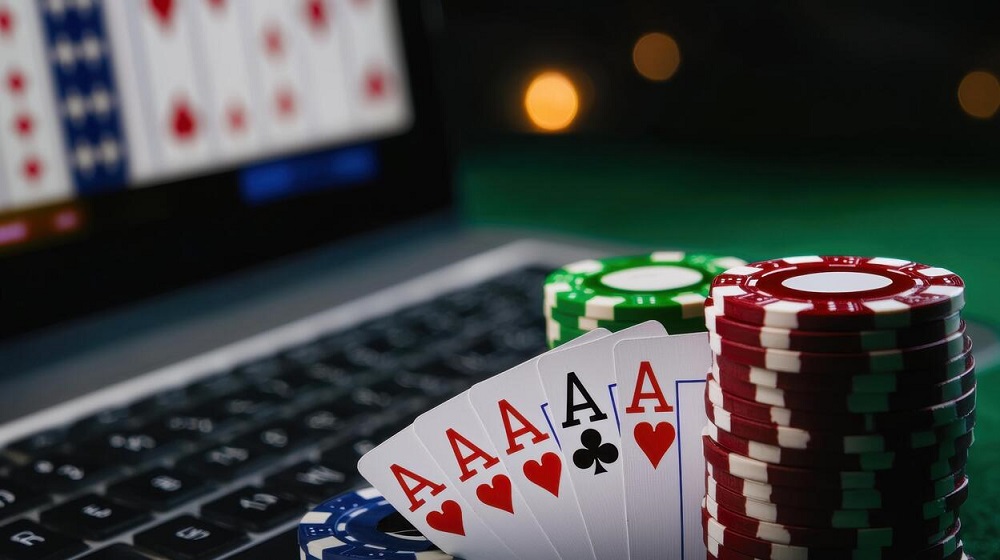
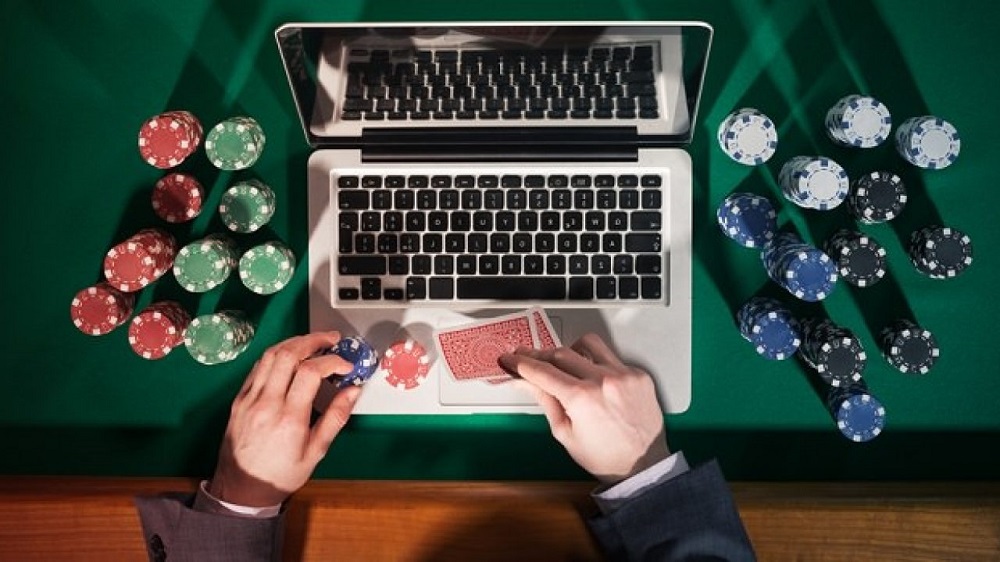
No game has embraced the internet age quite like Poker. The rise of online Poker rooms opened the game to a vast new generation, removing barriers of location, time, and even stakes. Today, millions play micro-stakes cash games, participate in multi-table tournaments, or test their skills in sit-and-go formats, all from the comfort of home.
Advantages of online Poker include:
-
Accessibility: Play any time, from anywhere.
-
Diversity: Countless variants, stakes, and table sizes.
-
Learning Curve: Online resources, hand histories, and tracking software help players refine their game.
-
Global Community: Compete against opponents from around the world, testing strategies and honing skills at any hour.
The Darker Side: Risk and Responsibility
Poker, for all its glamour and skill, is not without risks. Its blend of chance and high-stakes betting can lure some into unhealthy gambling habits if discipline slips. Unlike casual home games among friends, online play and casino Poker can quickly spiral into significant financial losses for the unprepared or overconfident.
Responsible Poker habits include:
-
Setting clear time and money limits.
-
Recognizing when emotion clouds judgment.
-
Treating the game as entertainment or a competitive sport, not a guaranteed income stream.
-
Seeking help if signs of problem gambling emerge.
The Psychology: The Human Element
Poker’s greatest intrigue lies not just in the cards, but in the people who play them. Every hand is a social experiment, a contest of nerves, observation, and manipulation. The greatest players are not those who simply memorize odds—they are masters of perception, storytelling, and restraint.
Whether played at a casino, a kitchen table, or a virtual lobby, Poker invites us to test our resolve, our patience, and our ability to see through masks while wearing one of our own.
Conclusion: Poker’s Enduring Magic
In the end, Poker is far more than a deck of cards and a pile of chips—it is a timeless ritual that continues to fascinate and challenge those who dare to sit down and play. Its appeal lies not in the luck of the draw but in what it reveals about courage, cunning, and the unspoken conversation between opponents locked in a silent dance of strategy and chance.
For as long as people gather to test their wits and nerve against one another, Poker will endure—one hand, one bluff, one showdown at a time.