
Card Games: The Enduring Charm of Play, Strategy, and Social Connection
Introduction: Cards at the Heart of Human Play
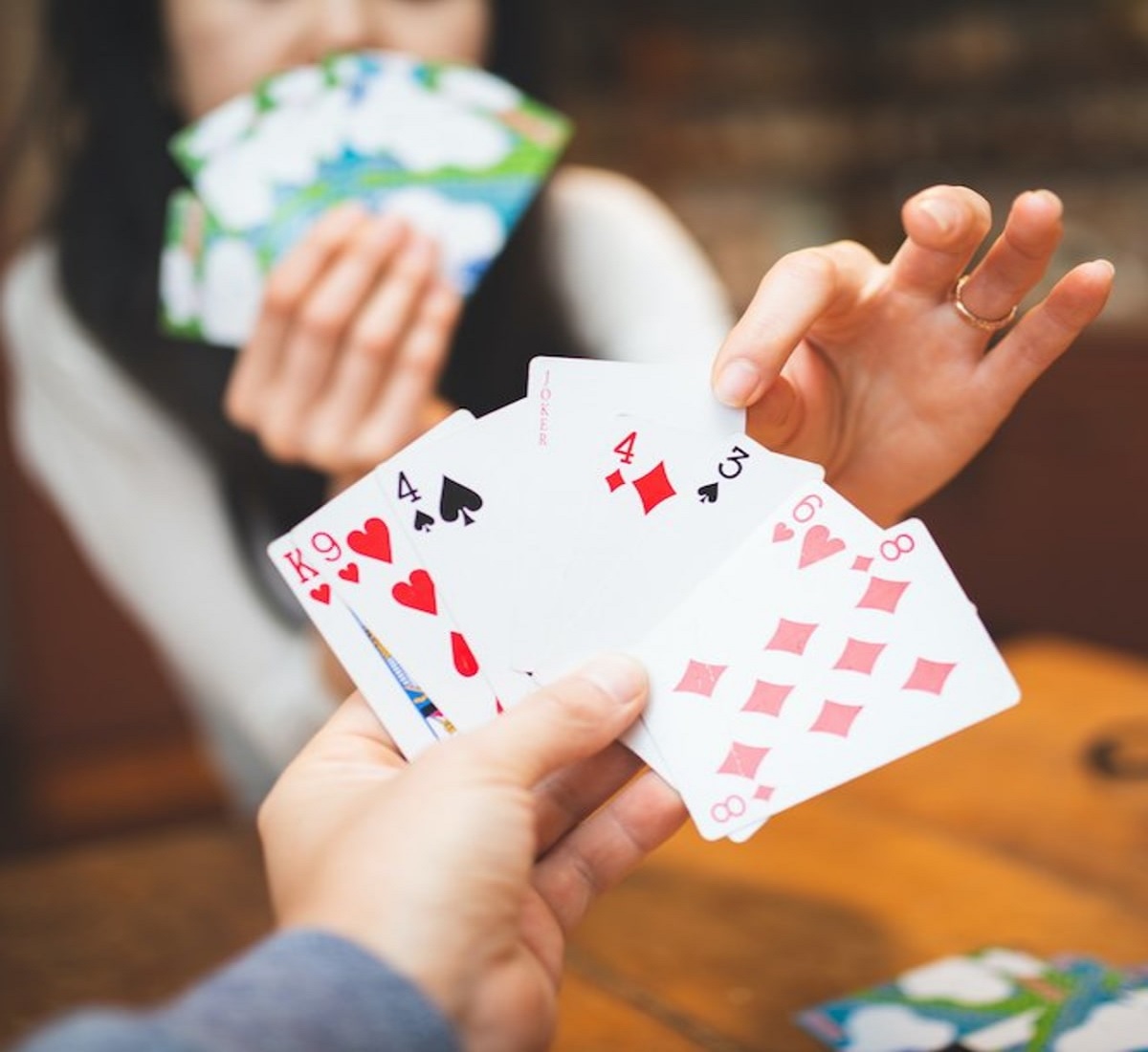
Throughout centuries and across cultures, few objects have inspired as much joy, strategy, and spirited debate as a simple deck of cards. Slip one into your pocket, and you carry an entire world of games, each with its own rules, rituals, and communities. From quiet family nights to glittering casino halls, card games have transcended eras, borders, and social classes. Their enduring popularity is no accident—they offer not merely diversion, but a mirror reflecting the human fondness for chance, skill, and connection.
The Historical Deck: Where It All Began
The exact origins of playing cards remain something of a mystery, though most historians trace them back to 9th-century China. The earliest cards were likely used alongside other gaming implements, gradually evolving as they spread westward through trade routes. By the 14th century, playing cards had reached Europe, where they flourished within noble courts and taverns alike.
The suits familiar to us today—hearts, diamonds, clubs, and spades—emerged in France during the 15th century. With the invention of the printing press, decks became accessible to the masses, transforming card games from aristocratic amusement to a beloved staple of everyday life.
The Universal Appeal: Why Card Games Endure
Why do card games hold such lasting appeal, especially in an age saturated with digital distractions? The answer is layered:
-
Portability: A deck of cards is one of the simplest yet most versatile forms of entertainment ever created.
-
Accessibility: Rules range from the simple to the complex, welcoming players of all ages and backgrounds.
-
Variety: Whether you prefer games of pure chance, pure strategy, or a thrilling blend of both, the right card game awaits.
-
Social Connection: Card games invite conversation, laughter, rivalry, and storytelling—a rare glue that binds generations.
Classic Favorites: A Glimpse at Iconic Card Games
Across the world, countless card games have found their way into living rooms, cafes, and casinos. A few stand out for their enduring cultural significance and universal appeal.
1. Poker
Perhaps no card game has captured the world’s imagination quite like Poker. Born in the saloons of the American frontier, Poker’s popularity exploded with the rise of televised tournaments and online platforms. Bluffing, reading opponents, and managing risk have made Poker not just a game of chance, but a study in human psychology.
2. Bridge
Bridge, with its intricate bidding and partnerships, remains a pinnacle of intellectual card play. Popular among clubs and competitive circles, Bridge demands memory, communication, and strategic thinking, earning its reputation as the “game of gentlemen and scholars.”
3. Rummy
Simple to learn yet delightfully engaging, Rummy is beloved in many cultures. The game’s core appeal lies in forming sets and runs—an absorbing mental puzzle that can be casual or fiercely competitive.
4. Solitaire
For solitary moments, no game is as iconic as Solitaire. Generations have turned to this single-player classic as a way to pass time, unwind, or test their patience. In the digital age, Solitaire endures on countless screens, bridging the old with the new.
5. Hearts & Spades
Trick-taking games like Hearts and Spades shine in group settings. These games blend strategy with a playful spirit of sabotage and alliance, ensuring that no two hands feel quite the same.
Card Games as Cultural Connectors
Card games are much more than idle entertainment. They are woven into the social fabric of countless communities. In India, a round of Teen Patti may accompany festive gatherings. In Europe, families gather around the kitchen table for hours of Belote or Skat. In America, Poker nights and Bridge clubs forge friendships that span decades.
At their best, card games break barriers of age, language, and status. A shuffle of the deck creates an equal playing field, where all that matters is the cards you hold, the wit you wield, and the company you keep.
The Psychology of Play: Chance Meets Skill
One of the most fascinating aspects of card games is how they straddle the line between luck and skill. Chance ensures that no two games are identical. Yet skill—whether it’s counting cards, reading opponents, or managing your hand—elevates the best players above the rest.
This blend triggers deep psychological satisfaction. The randomness provides excitement, while the strategy offers a sense of control. Together, they form a compelling loop that keeps players returning to the table, hand after hand.
The Digital Reinvention: Cards in the Online Age
Far from fading into obscurity, card games have gracefully adapted to the digital era. Online platforms now host countless variations—some traditional, others wildly creative. Poker apps attract millions of players daily; Bridge communities thrive in virtual clubs; even Solitaire has found fresh life with online leaderboards and daily challenges.
Live dealer technology has brought a new dimension to online card play, replicating the atmosphere of a physical table through streaming video. Players can chat, read cues, and experience the social thrill from their living rooms.
Tips for Mastering the Art of Card Play
For anyone wishing to deepen their appreciation and skill, a few timeless tips apply:
-
Learn the Rules Thoroughly: Mastery starts with understanding.
-
Study Strategy: Many classic games have deep layers of strategy waiting to be explored.
-
Practice Regularly: Skill grows with experience—shuffle often, play often.
-
Observe Others: Watch skilled players; their subtle choices can teach more than any rulebook.
-
Play for the Joy: Win or lose, relish the ritual of gathering around a deck.
Conclusion: A Deck That Connects Generations
In an age of fast-moving technology and fleeting trends, card games remain steadfast—a quiet testament to the enduring power of human connection, curiosity, and play. They remind us that sometimes, the simplest tools—a deck of cards, a table, a few friends—are all we need to build memories that last a lifetime.
So whether you find yourself strategizing in Bridge, bluffing in Poker, or quietly flipping cards in Solitaire, take a moment to appreciate this small marvel of human invention. The deck in your hands is more than a game—it’s a living link to history, tradition, and the timeless joy of play.
Most Effective Ways to Overcome Rummy’s Problem
July 1, 2019
Comments are closed.
-

What are the most talked-about mistakes of online casinos?
December 26, 2021 -

Five Reasons Why Apps Games Have Become So Popular
January 6, 2020 -

5 Reasons You Should Bet a Little More on Online Casinos
February 22, 2022
Latest Posts
-

-

Common Mid-Stakes Poker Leaks and Their Impact
July 22, 2026 -

The Psychology Behind Winning Poker Decisions
June 18, 2026 -

How Online Casinos Create Immersive Gaming Experiences
June 11, 2026 -

Lottery Regulations Around the World Compared
May 10, 2026
Recent Posts
- How to size crypto stakes as a percentage of bankroll rather than a coin amount? September 17, 2026
- Common Mid-Stakes Poker Leaks and Their Impact July 22, 2026
- The Psychology Behind Winning Poker Decisions June 18, 2026
- How Online Casinos Create Immersive Gaming Experiences June 11, 2026
- Lottery Regulations Around the World Compared May 10, 2026