Slots: The Captivating Evolution of the Casino’s Most Iconic Game
Introduction: A Whirl of Lights, Chance, and Endless Appeal
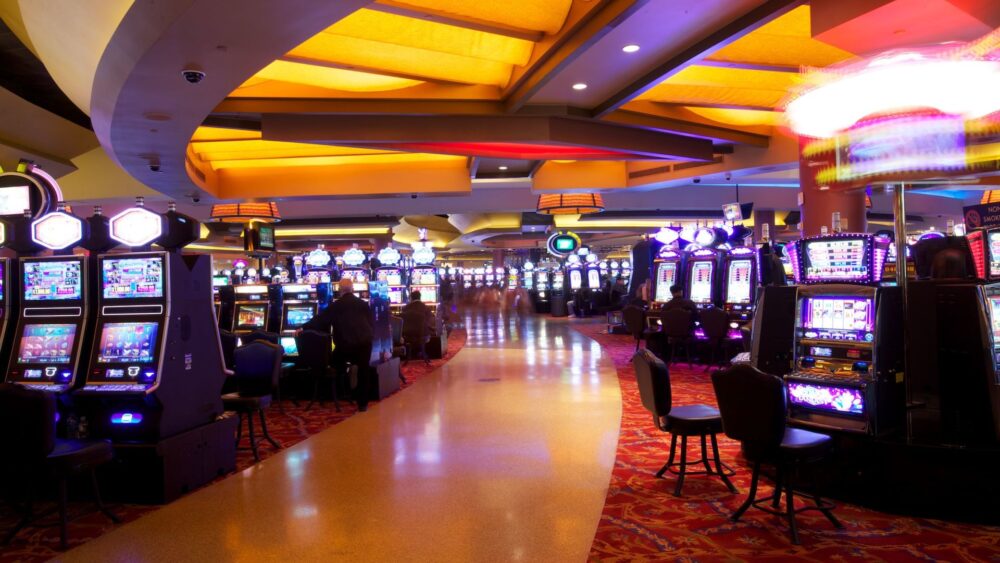
Step into any casino, and one sound will greet you before all others: the unmistakable medley of spinning reels, chiming bells, and jubilant whoops. Slots—those brightly lit machines lining gaming floors in neat rows—are far more than mere games of chance. They are a cornerstone of casino culture and a testament to how a simple idea can evolve into a global phenomenon. For millions of players, slots represent a thrilling blend of instant gratification, fleeting fantasy, and the tantalizing prospect of transforming pocket change into a life-changing jackpot.
The Humble Beginnings: The Birth of the Slot Machine
The story of the slot machine is one of ingenuity and unexpected longevity. In the late 19th century, a San Francisco mechanic named Charles Fey crafted what is now considered the first true slot machine: the Liberty Bell. Featuring three spinning reels adorned with simple symbols like horseshoes, stars, and the cracked bell that gave the machine its name, Fey’s invention paid out coins automatically—a technological marvel in its day.
Players pulled a lever, the reels spun, and a matching combination would unlock a modest cash prize. The Liberty Bell’s mechanical charm sparked an instant fascination that would spread quickly through saloons and cigar shops across America.
How Slots Work: The Mechanics Behind the Magic
Modern slot machines have come a long way from Fey’s gear-and-spring contraption, but their essence remains rooted in simple chance. Whether mechanical or digital, every spin is governed by a random number generator (RNG), an algorithm designed to ensure each outcome is entirely independent and unpredictable.
Key elements of a slot machine include:
-
Reels: The columns that spin and display symbols. In classic slots, there are usually three reels; modern video slots often have five or more.
-
Paylines: The specific lines across the reels where matching symbols must land to trigger a payout.
-
Symbols: From cherries and bars to elaborate themed icons, symbols define the game’s aesthetic and payout combinations.
-
Bonus Features: Many contemporary slots include wild symbols, scatters, free spins, and interactive mini-games to enhance engagement.
Understanding these elements helps players appreciate that, despite the elaborate lights and music, slots are ultimately a game of chance where no spin influences the next.
From Mechanical Marvels to Digital Giants
The evolution of slots mirrors broader technological shifts. Mechanical reels gave way to electromechanical machines in the mid-20th century, allowing for larger jackpots and more complex payouts. The iconic “one-armed bandit” nickname was born from the lever that players pulled—a charming relic that persists in many modern machines purely for nostalgia.
The next seismic shift came in the 1970s and 80s, when microprocessors and video screens replaced physical reels with virtual ones. This advancement opened the floodgates for creativity—developers could add intricate animations, diverse themes, and exciting bonus rounds. Suddenly, slots were no longer simple fruit machines but immersive entertainment experiences.
The Rise of Online Slots: A Digital Revolution
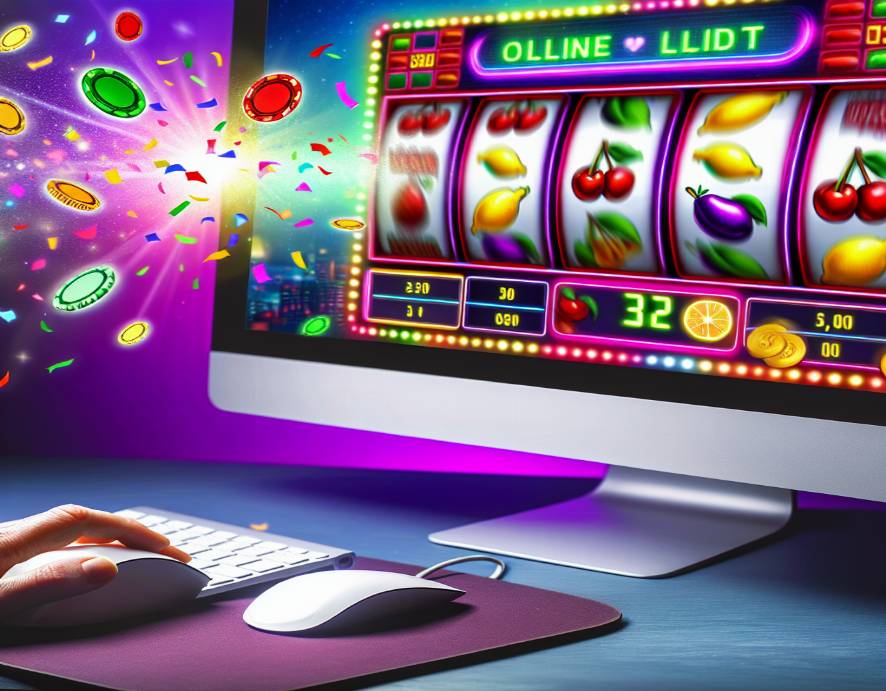
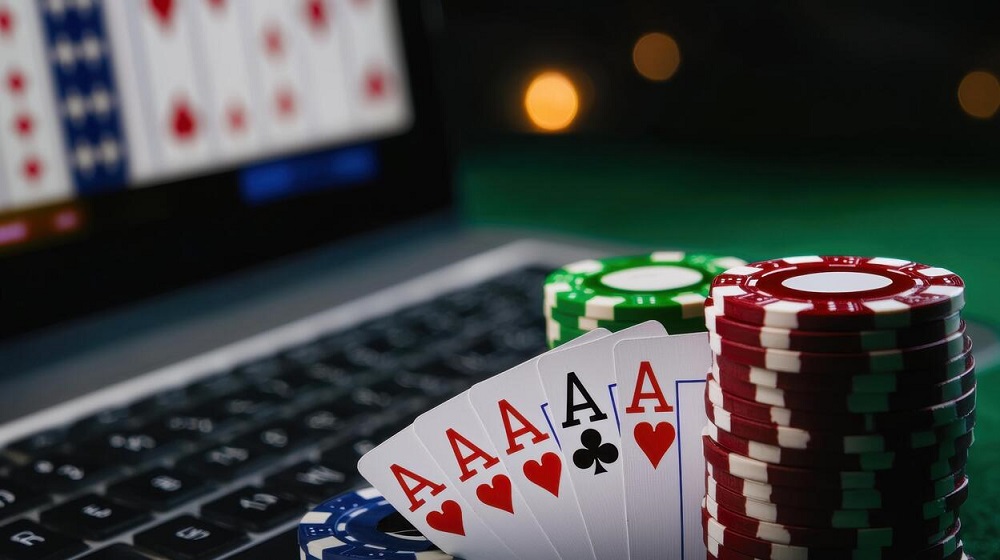
With the dawn of the internet, slots found new life online. Virtual slot machines freed developers from the physical constraints of casino floors, giving rise to an explosion of themes, paylines, and innovative gameplay mechanics.
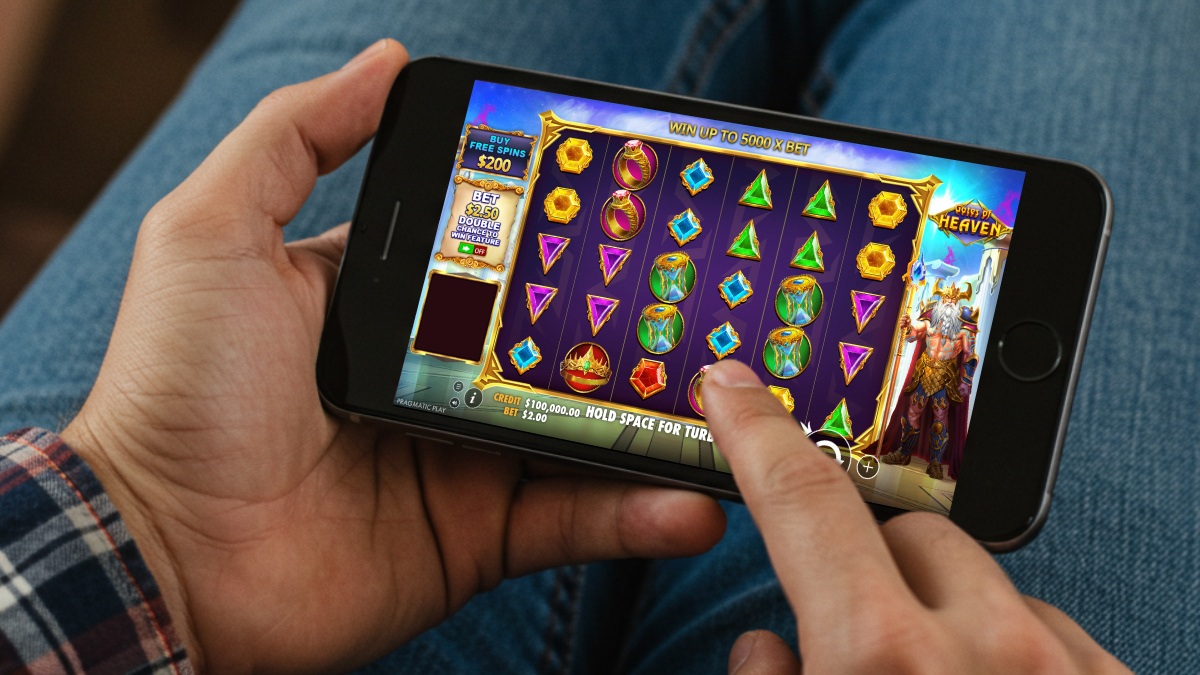
Today, online slots are a multi-billion-dollar industry in their own right. Players can spin the reels from a phone or laptop anytime, anywhere. Progressive jackpots, where multiple games feed into a single enormous prize pool, have reached sums once unimaginable on a casino floor.
Reasons online slots thrive include:
-
Accessibility: Playable on-demand from any connected device.
-
Variety: Thousands of themes cater to every taste, from ancient mythology to blockbuster movies.
-
Bonuses: Online casinos entice players with free spins, welcome packages, and loyalty rewards.
-
Community Features: Some games include tournaments and leaderboards, adding a social layer to solo play.
The Psychology of Slots: Why They Captivate Us
The enduring appeal of slots lies not just in their simplicity, but in how they tap into deep-rooted psychological triggers. Game designers masterfully craft slots to deliver a carefully balanced experience of suspense, reward, and sensory stimulation.
Elements that make slots irresistible include:
-
Near Misses: Just missing a big win can fuel excitement and prolong play.
-
Sensory Rewards: Bright visuals, engaging soundtracks, and celebratory jingles reinforce every small win.
-
Variable Rewards: Wins are unpredictable in size and timing, creating an addictive cycle akin to the classic “Skinner box” experiments in behavioral psychology.
-
Low Cost, Big Dream: The chance to transform a modest bet into a life-changing windfall keeps hope alive with every spin.
Slots and Society: Revenue, Responsibility, and Controversy
Slots are the lifeblood of many casinos, generating more revenue than table games like poker or blackjack combined. Governments worldwide also benefit—lotteries and regulated slots often funnel millions into public coffers for schools, infrastructure, and community programs.
Yet slots have not escaped criticism. Their fast pace and psychological hooks can lead to problematic gambling behavior for some players. As a result, responsible gambling initiatives have grown alongside the industry, with casinos and online platforms providing self-exclusion tools, betting limits, and awareness campaigns to promote healthy play.
Modern Innovation: What the Future Holds
As technology continues to advance, so too does the potential of slot games. Virtual reality (VR) casinos, augmented reality (AR) features, and skill-based bonus rounds are already hinting at a future where the humble spin becomes even more interactive and immersive.
Developers are also experimenting with narrative-driven slots that blur the line between gaming and storytelling. In these new designs, players advance through levels, unlock plotlines, and earn spins as rewards for engaging with the game’s world—proof that even after more than a century, the slot machine continues to reinvent itself.
Conclusion: The Timeless Spin of Hope and Chance
Slots, in their many forms, remain an enduring testament to humanity’s fascination with risk, reward, and the possibility of sudden fortune. Whether you’re pulling a vintage lever in a smoky Vegas lounge or tapping “spin” on a smartphone screen at home, the thrill lies in that single moment when the reels blur into motion, and anything seems possible.
Ultimately, slots are more than just machines—they are small theatres of chance, built on the dreams and stories we project onto them. And as long as people crave a fleeting shot at luck wrapped in lights and music, the timeless dance of the reels will continue to spin on.