How Seasonal Events Boost Bingo Participation
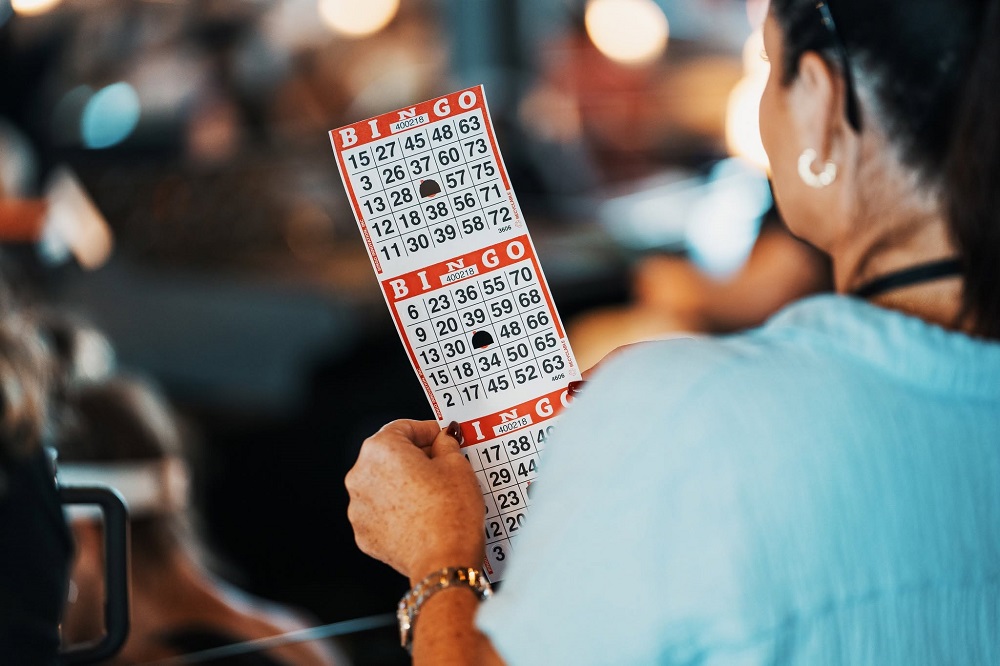
Bingo has long held a cherished place in community entertainment, evolving from traditional charity hall gatherings into a dynamic multi-channel gaming industry. While core mechanics remain simple, sustaining player engagement over extended periods requires creative strategy. Among the most effective drivers of player retention and acquisition is the strategic deployment of seasonal events and themed promotions.
Seasonal events leverage established holidays, cultural milestones, and changing weather patterns to create temporary spikes in excitement. Whether during major winter holidays, summer vacation periods, or autumn festivities, aligning bingo games with familiar seasonal beats generates urgency, boosts player activity, and attracts new demographics to both physical halls and digital platforms.
The Psychological Mechanics of Seasonal Engagement
Understanding why seasonal themes resonate requires examining player psychology. Human behavior is deeply connected to seasonal rhythms, traditions, and collective celebrations. When gaming operators align their schedules with these external cultural moments, they tapping into existing emotional momentum.
Seasonal events break up routine gameplay. Standard bingo schedules can eventually feel predictable, leading to player fatigue. Introducing holiday-themed cards, specialized room designs, and limited-time jackpots creates novelty. Novelty triggers dopamine release, elevating enjoyment and encouraging players to return more frequently during the event window.
Furthermore, limited-time promotions create fear of missing out. Because seasonal jackpots, unique badges, or festive prize draws are only available for a short duration, players feel motivated to log in or visit a hall before the window closes.
Holiday Spikes: Leveraging Major Celebrations
Major national and international holidays offer the highest return on investment for themed bingo events. Celebrations like Halloween, Thanksgiving, Christmas, and Valentine Day provide rich visual, audio, and promotional concepts that operators use to revitalize player bases.
-
Halloween Promotions: Darker themes, spooky sound effects, pumpkin-shaped patterns, and mystery prizes appeal to players looking for playful, atmospheric entertainment.
-
Winter and Holiday Season: The period between late November and early January typically sees some of the highest participation rates of the year. Holiday bonuses, advent calendar daily rewards, and end-of-year mega jackpots keep players active during winter breaks.
-
Spring and Easter Events: Bright, colorful aesthetics, egg-hunt minigames, and spring-themed bonus packages attract casual players as warmer weather begins.
-
Summer Festivals: Beach themes, outdoor event tie-ins, and relaxed holiday promotions maintain engagement during months when outdoor activities usually compete for entertainment time.
Operators who build comprehensive event calendars around these major holidays ensure a steady rhythm of marketing highlights throughout the year.
Customizing Gameplay Mechanics for Seasonal Themes
Successfully executing a seasonal campaign involves more than dropping holiday graphics onto a screen or hanging decorations in a physical hall. The most engaging seasonal bingo events modify core gameplay mechanics to create a distinct environment.
Special Winning Patterns
Standard bingo typically relies on horizontal, vertical, diagonal, or full-house winning conditions. Seasonal events frequently introduce custom pattern winning conditions, such as a Christmas tree, a heart, a shamrock, or a pumpkin. Matching cards to themed shapes adds visual interest and forces players to pay closer attention to called numbers.
Limited-Time Mini-Games and Side Quests
In digital bingo environments, seasonal events often feature side quests or progress bars. Players might collect virtual gingerbread pieces, Halloween candy, or Easter eggs by winning games or daubing specific numbers. Completing these seasonal collections unlocks exclusive avatar items, free tickets, or entry into high-stakes raffles.
Festive Prize Pools and Physical Giveaways
Prizes strongly influence participation during seasonal drives. Beyond cash jackpots, operators often introduce seasonal physical prizes, such as holiday gift baskets, electronics, travel vouchers, or branded merchandise. Physical halls frequently host themed dinners or costume contests alongside bingo sessions, turning a standard evening into a full entertainment experience.
Digital vs Physical: How Channels Drive Seasonal Growth
Both physical bingo halls and online platforms experience significant boosts from seasonal promotions, but they achieve these results through different operational strategies.
Physical Bingo Halls
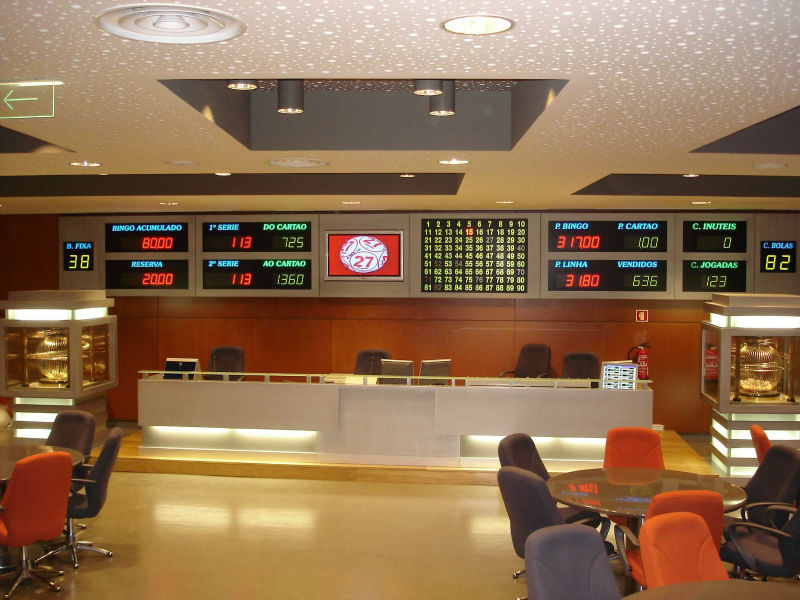
For brick-and-mortar venues, seasonal events are community-focused gatherings. Physical halls rely on communal atmosphere, decorated interiors, themed food and beverage menus, and live entertainment to make events memorable. During winter holidays or charity drives, halls often team up with local businesses or non-profit organizations to sponsor major prize draws, attracting players who might not visit during regular weekly sessions.
Online Bingo Platforms
Digital platforms leverage flexibility and automated scalability. Online operators launch full-scale seasonal transformations with custom UI skins, holiday sound tracks, automated daily login bonuses, and dynamic leaderboards. Digital environments can run high-frequency mini-events around the clock, catering to international audiences across different time zones.
The Role of Social Dynamics and Community Building
Bingo is inherently social. Seasonal events act as social catalysts, bringing players together around shared experiences and holiday cheer.
Online chat rooms see elevated activity during seasonal campaigns. Community managers run chat games with holiday trivia, quick-draw quizzes, and festive guessing games that award bonus loyalty points. This heightened social interaction strengthens community ties, making players feel part of an active group.
In physical venues, seasonal dress-up days, charity raffles, and holiday parties foster strong local bonds. Regular players bring friends and family members along to festive sessions, introducing new participants to the game in a welcoming atmosphere.
Attracting and Retaining New Demographics
A major benefit of seasonal bingo marketing is its ability to attract new or lapsed players. Mainstream advertising around holiday events reaches broader audiences than standard gambling promotions, lowering customer acquisition barriers.
Casual players who might not seek out everyday bingo sessions are often drawn in by festive charity events, holiday jackpots, or social gatherings. Once these players join a seasonal event, operators use onboarding incentives, friendly interfaces, and loyalty rewards to convert them into long-term participants.
Follow-up promotions sent shortly after a seasonal campaign ends help maintain higher base participation levels even after holiday decorations are taken down.
Strategic Planning and Operational Execution
Executing a successful seasonal bingo campaign requires months of preparation. Operators analyze player data from previous years to determine optimal timing, ticket pricing, prize structures, and promotional channels.
Marketing campaigns usually launch two to three weeks before the main event to build anticipation. Cross-channel promotion across email newsletters, social media channels, physical flyers, and push notifications ensures maximum visibility. Balancing prize value with ticket affordability is crucial to keep events accessible while protecting operating margins.
Operators also monitor real-time analytics during events to track participation rates, room concurrency, and revenue metrics, allowing them to make adjustments for future seasonal rollouts.
Frequently Asked Questions
Why do bingo participation rates increase significantly during the winter months?
Winter months bring colder weather and shorter days, leading people to spend more time indoors seeking entertainment. Additionally, the winter season contains several major holidays like Christmas and New Year, creating natural opportunities for leisure activities, family gatherings, and holiday-themed promotions.
How do online bingo platforms adapt their interfaces for seasonal events?
Online platforms introduce seasonal graphical skins, updated background audio, holiday-themed avatars, and customized daubing animations. They also update room names, introduce specialized seasonal winning patterns, and feature interactive progress trackers or daily gift calendars directly on the main dashboard.
Are physical bingo halls still effective at running seasonal promotions compared to online sites?
Yes, physical bingo halls offer a tangible social environment that digital platforms cannot fully replicate. By offering themed meals, live entertainment, costume contests, and local community charity tie-ins, physical halls create memorable event experiences that attract strong local turnout during major holidays.
What types of prizes are most popular during seasonal bingo campaigns?
While cash jackpots remain universally popular, seasonal campaigns succeed when incorporating physical rewards like holiday gift baskets, high-end electronics, event tickets, travel vouchers, and branded festive merchandise. Charity-focused physical events also popularize raffle tickets for locally donated items.
How do seasonal mini-games work within digital bingo platforms?
Seasonal mini-games operate alongside main bingo cards. As players daub numbers or win games, they collect seasonal items like holiday tokens or puzzle pieces. Gathering enough items fills a progress bar that awards extra bingo tickets, casino bonuses, loyalty points, or entries into grand prize draws.
Can seasonal bingo events help attract younger demographic groups?
Seasonal events featuring trendy themes, interactive chat games, fast-paced tournament formats, and social media sharing incentives successfully appeal to younger audiences. Holidays like Halloween and summer festival themes are especially effective at drawing younger casual players into bingo environments.
How far in advance do operators plan their annual seasonal bingo calendar?
Most operators plan their seasonal strategy six to twelve months in advance. Advanced planning allows development teams time to design unique digital assets, secure physical prizes, organize marketing schedules, configure odds algorithms, and coordinate compliance checks before major promotional pushes.