
Blackjack: The Elegant Dance of Chance and Strategy at the Card Table
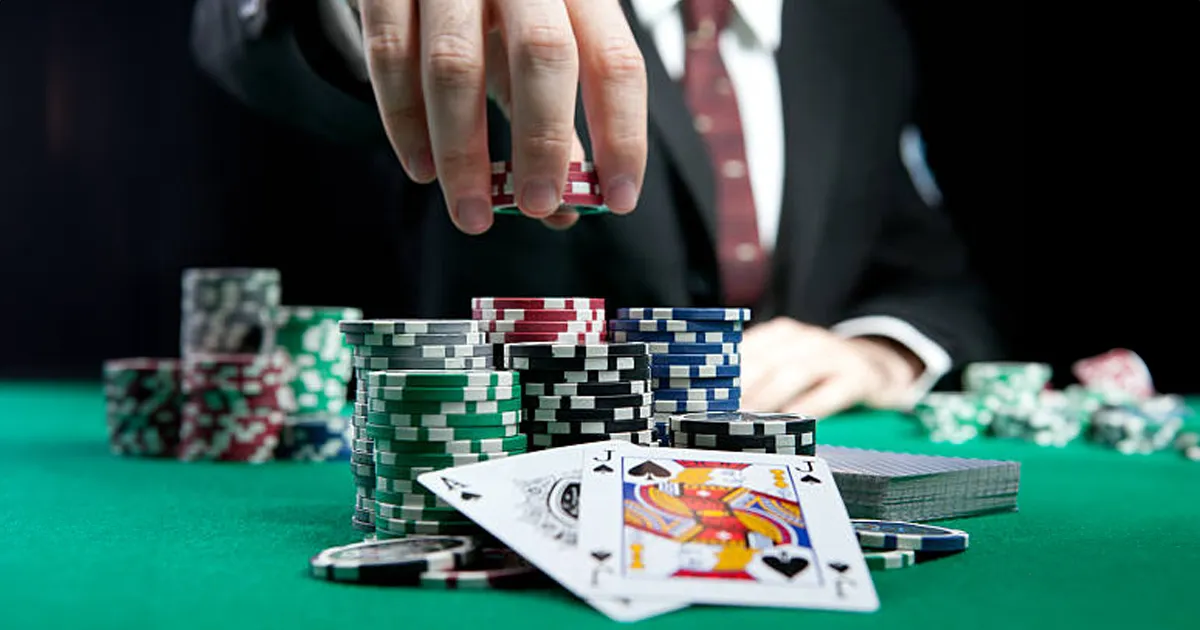
Introduction: The Enduring Magnetism of Blackjack
Few games have graced the felt-covered tables of casinos with such sophistication and enduring appeal as Blackjack. Known also as Twenty-One, this timeless card game balances the thrill of chance with a tantalizing layer of skill and strategy. Whether played in the smoky rooms of old-world gambling houses or the neon-lit floors of Las Vegas, Blackjack has captivated novice players and seasoned high-rollers alike for centuries. But what is it about this deceptively simple game that continues to enthrall millions around the globe?
A Glimpse Back: The Origins of Twenty-One
Blackjack’s roots are as intriguing as the game itself. Historians trace its lineage to French casinos around the 1700s, where a game called “Vingt-et-Un” (French for “Twenty-One”) was a favorite among aristocrats. Some suggest its predecessor may have been the Spanish game “Trenta y Uno,” which dates back even further.
When French colonists brought the game to North America, it slowly evolved, picking up new rules and a distinctly American flair. To boost its early popularity in U.S. gambling houses, casinos offered bonus payouts to players with a hand consisting of the Ace of Spades and a black Jack (either the Jack of Clubs or Spades)—hence the name “Blackjack.” Although that particular payout is now mostly obsolete, the name remains an enduring emblem of the game’s rich heritage.
Understanding the Basics: Rules That Anyone Can Grasp
At its heart, Blackjack’s premise is refreshingly straightforward: beat the dealer’s hand without exceeding a total of twenty-one. Players are dealt two cards and can choose to “hit” (take another card) or “stand” (keep their total as is).
Cards two through ten hold their face value, while face cards—Jack, Queen, King—are worth ten points each. The Ace, intriguingly, can be worth either one or eleven, whichever benefits the player’s hand most.
The elegance of Blackjack lies in this delicate tension: chase a higher total to beat the dealer, but one card too many can lead to a dreaded “bust.”
Strategy: Where Luck Meets Calculated Risk
Unlike many other casino games that lean heavily on luck, Blackjack rewards players who approach the table with strategy and discipline.
Seasoned players often memorize “basic strategy charts” that outline the statistically optimal moves for every possible hand. This transforms Blackjack from a mere gamble into a mental duel—a balance of mathematics, probability, and human psychology.
Key strategic elements include:
-
When to hit or stand: Knowing when to draw another card or hold your total is fundamental.
-
Doubling down: Players may choose to double their bet in exchange for one more card—a bold move that can amplify winnings if timed wisely.
-
Splitting pairs: When dealt two cards of the same value, players can split them into separate hands, doubling their action and potential payouts.
-
Card counting: Immortalized by movies and folklore, card counting involves tracking high and low cards to tilt the odds slightly in the player’s favor. Although legal, casinos frown upon this practice and often expel counters from the floor.
The Allure: Why Players Keep Returning
Blackjack’s enduring magnetism is rooted in its unique blend of chance and control. Each hand brings a new puzzle, a fresh opportunity to outwit the dealer, and a tantalizing brush with luck. Unlike games such as roulette or slots, where outcomes are purely random, Blackjack offers players the thrilling sense that skill can make a difference.
Moreover, Blackjack is a social experience. The camaraderie around the table, the subtle banter with the dealer, and the collective sighs or cheers when someone hits twenty-one create an atmosphere that is equal parts competitive and convivial.
The Casino Environment: A Scene Steeped in Drama
Step into any reputable casino and the Blackjack tables will likely be among the most crowded. Players of all backgrounds gather shoulder-to-shoulder under soft lights, the flick of cards mingling with the gentle clink of chips. Unlike the solitary pull of a slot machine, Blackjack invites conversation and sharpens the senses.
The dealer—poised, professional, and unwavering—plays a central role. They are not merely a facilitator but a quiet adversary, representing the house’s edge in a contest that feels as much about wits as it does about luck.
Blackjack in Popular Culture
Blackjack’s seductive mix of intellect and intrigue has made it a fixture in popular culture. Films like Rain Man and 21 have romanticized the art of card counting, while countless books and memoirs have chronicled the exploits of legendary players and infamous casino heists.
In literature and cinema alike, Blackjack often symbolizes rebellion against the odds—a game where the underdog, armed with nothing but nerve and knowledge, can take on the might of the house.
The Rise of Online Blackjack
In recent years, the digital revolution has ensured that Blackjack remains as relevant as ever. Online casinos have made the game accessible to millions who might never set foot in a physical gambling hall.
Online Blackjack offers:
-
Convenience: Playable anytime, anywhere, from a desktop or mobile device.
-
Variants: Dozens of versions, from Classic to European to Multi-Hand Blackjack.
-
Live dealers: Many platforms feature real-time games streamed with live dealers, preserving the authentic casino atmosphere.
Online play also opens the door to low-stakes games, allowing novices to practice strategies without risking significant sums—an advantage that traditional casinos rarely offer.
Responsible Play: Knowing When to Walk Away
While Blackjack can be thrilling, it is, at its core, still a form of gambling. Seasoned players understand the importance of setting limits and sticking to them. The best Blackjack sessions are marked not only by wins and losses but by the discipline to play wisely and know when the odds are no longer in your favor.
Tips for responsible play:
-
Set a budget: Decide on your maximum stake before you sit down.
-
Avoid chasing losses: Treat each session as entertainment, not a means to recover past losses.
-
Take breaks: A clear mind makes better decisions.
Conclusion: A Classic That Never Grows Old
In an age where high-tech slots, massive poker tournaments, and elaborate casino spectacles compete for attention, Blackjack retains a timeless appeal that few games can rival. It is a testament to the enduring allure of simplicity married to strategy—a game that asks only for a deck of cards, a few chips, and a mind sharp enough to dance with the odds.
For those drawn to the card table by the promise of quick thrills and sharper wits, Blackjack will always be more than a game—it is an elegant ritual, a contest of nerve and numbers, and a bridge between the unpredictable hand of fortune and the unyielding power of human choice.
Blackjack Interface Design That Improves Gameplay
April 18, 2026
The Next Generation of Online Blackjack Entertainment
March 12, 2026
Comments are closed.
-
How do you decide which online casinos are worth your time?
March 19, 2021 -

Summary of Collectible Games
March 31, 2018 -

Sbobet Terpercaya Interesting And Technological Gaming World
December 10, 2020
Latest Posts
-

-
Common Mid-Stakes Poker Leaks and Their Impact
July 22, 2026 -
The Psychology Behind Winning Poker Decisions
June 18, 2026 -
How Online Casinos Create Immersive Gaming Experiences
June 11, 2026 -
Lottery Regulations Around the World Compared
May 10, 2026
Recent Posts
- How to size crypto stakes as a percentage of bankroll rather than a coin amount? September 17, 2026
- Common Mid-Stakes Poker Leaks and Their Impact July 22, 2026
- The Psychology Behind Winning Poker Decisions June 18, 2026
- How Online Casinos Create Immersive Gaming Experiences June 11, 2026
- Lottery Regulations Around the World Compared May 10, 2026